


Realist narrative
This is meant to show the audience their product with a realistic feel so they are watching something believable. TV adverts that use realistic narrative show things that can be used in real life. They show the audience how a product can be used in everyday life and make them want to buy it.
An example of this is the Folgers coffee ad because in the ad there are no special effects or unrealistic events. The phrase “The best part of waking up, is Folgers in your cup” suggests that Folgers gives you a good start to your day.
Anti-realist narrative
This is used to convince the audience into buying their product using unrealistic effects while offering humour to them.
For example, in this video the birds ring the doorbell and make the man go to the front door and then they close the French window at the back and then when the man goes back he crashes into the glass and leaves a handprint on the window. This advert is meant to show that the product Windex is an effective window cleaner and that if the audience buys it they will have windows that are as clean as those shown in the ad. The humour makes the add funny to watch.
Animation
Animated TV adverts sometimes use animation to sell a product and well-known actors are often used to do the voice over. In this advert there are no famous actors but the music is very catchy and the ad is funny. This grabs the audience’s attention. It shows three teenage boys sitting like couch potatoes watching TV and when they drink the Mountain Dew Kick Start beverage it gives them energy and makes them dance in a cool way, then the animation part shows the dog dancing, then a sign on the wall and a stuffed animal. This is giving the message that no matter who or what you are the Mountain Dew Kick Start will give you energy and make you look cool. Therefore, it is encouraging teenagers buy and drink it.
Documentary
Documentary advertisements are usually more serious. They are informative and are based on fact, not fiction and can have experts to back them up.
These advertisements use two different styles to get a very serious message across about washing your hands and the importance of being hygienic. The first advertisement from the WHO (World Health Organisation) shows how disease can easily spread if you don’t wash your hands. It uses images and photographs of people, especially children in countries and situations well known to have disease and that the simple act of washing your hands could make a big difference to stop the spread of disease.
The second advertisement, tries to get the same message across in a fun way and uses a well known song to draw the audience in. The message is very important and when people hear the fun song it will remind them to wash their hands. Also, it is a catchy song which will stay in people’s minds all day and the image of hygiene will automatically stay in the audience’s mind as they hum the song.
Talking heads
In this sort of advertisement, the ad campaigners use a famous actor to engage the audience and get their attention. They will think that if a famous actor is using the product it must be good. The girl in the ad is attracted to Ben Affleck because of his hair. Males watching this ad are encouraged to go and buy the same shampoo because they want hair like Ben’s and they want to be attractive to girls.
Stand alone
A stand alone advertisement is one where the company making it puts a lot of money into just one advertisement in order to sell it. This gets the audience’s attention because the same ad is played over and over until people remember it really well. Another ad for the same product is not made. The ad in the clip below is for the speaker system in the iphone.
Series
A series advertisement is one which does several ads with the same characters so it makes a storyline. Once the audience gets into the first ad, they will follow all the others and then become familiar with the brand. The more well known a brand is the better it will sell.
Task 1: Understanding structures and techniques of television adverts
Style
Humorous
This humorous ad is made to appeal to men. Old Spice body wash and shaving cream is appealing to men not only because of the funny actor Terry Crews but also because he looks very powerful and his skin looks clean and hair-free.
Surreal
Surreal ads are usually very creative and surprising as shown in the example below. Fiat wanted to make a special advertisement to celebrate its 60th anniversary and got creative surrealist animator Cyriak to do it. The animator used music and psychedelic animation to show how the car had evolved over the last 60 years. Because of its surreal creativity and colours it was very eye catching and was shown at the Geneva Motor Show in 2017. This add would have created an interest in the car and would have encouraged people to come over to the Fiat stand and purchase a car. Motor shows are notoriously noisy and even if the music could not have been heard, the ad was so eye catching the message would still have been clearly put across.
Dramatic
Dramatic ads are often very serious and direct. They are there to get a strong, real life message across and often shock the audience. They are meant to give an important, unforgettable message.
The opening scene in the ad below shows a beautiful countryside landscape with a large tree and suddenly the tree shakes dramatically. The next shot is of the car that has just hit that tree and this is another dramatic scene. The two scenes have already grabbed the audience’s attention. Even more dramatic is the sight of 3 unconscious, young bodies, two of which are dead, but the person with the seatbelt is still alive. Heavenly, eerie, choral music begins to play as the souls leave the dead men’s bodies and this makes the audience imagine themselves or their loved ones in the same position. It makes the audience think that perhaps if they had been wearing seatbelts they may still be alive. This thought is then reinforced when the young man wearing the seatbelt starts to move. The powerful message is reinforced at the end of this dramatic ad with a simple but strong message, ‘Heaven can wait Buckle up”. This dramatic images and strong message will remain in the audience’s mind long after they have watched the ad.
Parodic
A parodic ad uses famous actors or characters to either make fun of themselves or be made fun of. This helps the audience remember the advert and without realizing it they also remember what the advert was persuading people to buy.
In the advertisement, Darth Vader’s ‘hoarse voice’ is used to help sell Tunes throat sweets.
Codes and conventions
Many codes and conventions are used when making at ad. These are listed below and shown in the Nike ad
Camera angle
The location in which the camera is placed while filming, one scene could have multiple camera angles. For example, High angle, Low angle , Close-up, Long shot Extreme close up
Iconography - The NIKE logo
Editing - The ad is put in slow motion in some areas like the scene where the guy sets the alarm off with his hair and this is very effective
Lighting - The lighting before the alarm went off was low key but then turns brighter.
- high key- Bright light
low key- Dim light
The lighting sets the mood while the security guards chase the main characters and this kind of mood is known as tension because the audience is pushed to the edge of their seats thinking "What's going to happen next?"
Natural lighting- Non-edited lighting (eg. The Sun)
Monochrome- Edited filter (eg. Black and White)
Music - The music is used to dramatic effect when the alarm is triggered
Computer graphics - CGI is used towards the end when the ball hits the character in red. He flies backwards and as he hits the wall his mask comes off to reveal a computer generated skeleton face.
SFX - Special effects always create interesting ads. SFX is shown in this ad when the elevator crashes down on the robot causing an explosion. The SFX continue as they show the building exploding and create a big finish as the NIKE logo expands onto the screen. The impact of this final image stays with the audience.
Techniques
These are messages in an advert which are well hidden so only some of the audience sees them. They are not allowed in advertising but companies still try to get away with them. Very often they are used to encourage viewers to buy something they don’t really need. A lot of the hidden messages on YouTube are rude and inappropriate, especially Coca Cola ads which is really bad because a lot of young people drink it.. However, I found this one which I think is really clever. When you concentrate on the white, you can see an arrow between the E and the x. This is meant to indicate how fast the company can deliver your mail from one point to another.
Overt messages
Overt messages are the complete opposite of hidden messages. They are often the main part of an advertisement and they are there to persuade the audience to purchase the product. Overt messages are legal. The ad below is about Yorkshire Tea. The logo is all over the ad and the message is well delivered because the storyline shows a typically English game of cricket being played on a lovely green pitch in the countryside where the audience would expect players to stop for Tea. Next time people go to the supermarket and see the Yorkshire Tea label, they will remember the ad and be encouraged to buy it.
Emotional responses or association Producers of ads rely on emotional response from the audience in order to sell their product. For example, many products being advertised make viewers feels good or happy because they see the actors in the ad respond in that way. The audience will believe that if they buy that advertised product it will make them happy just like the actors. Brands use feelings to make people buy their products. Another example of emotional response is when charities show images and footage of people in need. They always use quite shocking and thought provoking images to get a sympathetic or compassionate response from the audience. An example of this can be seen in the ad below
Below is another emotional response type of advert for fear
Emotional responses to self perception ads can put a lot of pressure on the audience. The way people are portrayed in ads can sometimes have a positive effect on people but it can also have a negative effect. For example, ads on TV or in magazines show men with a certain body type and image and there is pressure on men to try to look the same. I think the same issue is even worse for women.
Finally, another example of an emotional response to an ad in a social position way is that the audience will see a lifestyle and want to achieve it. They will buy the product being advertised because it is a symbol of the lifestyle they want to aspire to.
Celebrity endorsement
Celebrities are paid a lot of money to endorse products. Ad campaigners are prepared to pay it because the well known actors and celebrities have a huge fan base and this will increase audiences to the ad itself. In addition, audiences and the fan base will be encouraged to buy the perfume. This ad for Armani code uses Chris Pine who is not only a good looking Hollywood actor he is also the main actor in Star Trek films which would make the audience numbers even higher.
Characteristics of products and services
Benefits offered
Ad campaigners will use different characteristics to sell their product depending on what they are selling and who their target audience is. For example, in the clip below a fit man is checking his car engine while he talks about the product because he is implying that his body is also like an engine. If he takes care of his car engine it will work well in the same way his body will stay healthy and work well if he takes care of it and the multi vitamin tablet he is advertising will help him do that. Most men take good care of their cars and can identify with the importance of that and the advertisement relates that to their own health in a simple way through this strong image.
Advantages over other similar products
In the UK there is a lot of competition between supermarkets, so to encourage shoppers to spend money in their shop rather than rival stores Asda uses ads like the one below to show how it’s prices are cheaper in their store.
Unique selling proposition
There are many products on the market that seems the same, so advertisers need to find a way to make theirs look better. This ad campaign uses twins doing the same thing at the same time with objects using batteries but one toy, radio or torch runs out and stops quicker than the other and spoils the fun. The battery advert below clearly shows that consumers would be better off buying Duracell batteries because they last much longer than Energiser batteries
Lifestyle appeal
The advertisement below is showing that if you want a fitness lifestyle you can achieve it by buying the push up elite gadget and you will end up with a body like the guy in the ad.
Brand identity
Ad campaigners often use a logo and tag line or catchy tune to remind people of their brand every time they see or hear it. For example, this ad uses James Bond style music and an actor doing stunts like Bond just to deliver the Milk Tray chocolates to a lady. The Tagline is ‘and all because the lady loves Milk Tray’ and the empty calling card has a silhouette of the man but no message. So when the voice over says the tagline that is what the audience remembers. It is quite a funny ad and it makes ladies want to have their husbands buy them this brand of chocolate.
Audience Information
Audience measurement - this is a measurement of not only the number of people in the audience but also who the audience is. This measurement can be taken across all forms of media including; radio, TV, news papers, magazines, and web traffic visiting websites.
Ratings - The number of people watching or listening to programs
Face to face interviews - speak to audiences face to face to find out what they watch and why. Also, what they like and dislike about a program
Focus groups - these usually consist of a small group of people and a skilled moderator who asks questions and opens a discussion about whatever subject he is trying to get feedback on.
Questionnaires - This is a list of questions given to a target audience with the goal of gaining as much information as possible before a programme is finalized. The feedback will help producers know whether or not their idea for a program is a good one or not and whether there is a market for it.
Programme profiles - For a program to be successful it is very important to know your audience and what it likes. Producers can produce a fantastic show but if it’s not what is trending and what the audience wants to see , then they will not watch it and it will not be successful.
Broadcasters’ Audience Research Board (BARB)
BARB was created in 1981 by BBC, ITV, Channel 4, Channel 5, Sky and the institute of Practitioners in Advertising. It provides organizations with information about audience measurement and TV ratings in the UK. It does this by working with the BARB panel. There
are 5100 homes in the UK that have been selected at panel members. Each one has a special box fitted to all the devices in their home. This box collects information on programs watched and every day the data is transmitted to BARB where it is analyzed and results recorded.
Every year 7 billion pounds is spent on the production and distribution of program and commercial content in the UK and BARB helps organizations to make sure their money is well spent. BARB finds the answers to the following questions:
-
Who is watching?
-
What are they watching?
-
When are they watching?
-
Which screen are they watching on? (ie. TV Tablet etc.)
-
How did the content get to the screen?
The panel has been carefully chosen to represent the whole of the UK, and the results are released to the media industry by 9.30am every morning. The results tell the companies about the previous day’s viewing. These results help companies plan for future programs.
Television research agencies - for example RSMB which has been contracted to work with BARB, is an independent consultancy company which specializes in designing and monitoring audience measurement systems and analyzing and interpreting the data it finds.
Rates cards - show how much it costs to advertise on TV. The card below is from the BBC and shows ho much it costs in US dollars to advertise during intervals in the news
Advertisers’ information packs - Contain information from TV (and radio) companies for potential advertisers. The pack explains everything people who want to advertise need to know including how to put an ad together to engage the audience, how to deliver ads on multi-platforms such as tablets, computers and TV and how to reach the right target audiences. The image below is from the BBC advertising website and offers information about how the BBC has helped other advertisers put their ads together. According to the BBC there is a potential audience of 950million people worldwide and it can help guide campaigners to reach their target audience.
Source: https://advertising.bbcworldwide.com/
Research agency websites - campaigners have the choice to either go out and do market research themselves or employ a research agency to do it for them. They do important quantitative research which provides information and data on things like programme ratings, box office takings and website hits. In addition they also do qualitative research based on people’s opinions and preferences. They get this information by doing face to face interviews, questionnaires, and holding focus groups.
Some examples of agency websites are:
Standard Occupational Classification
The SOC is a system used in the UK to put peoples’ jobs into classifications by skill level and skill content By understanding the type of skills and jobs people have, it can help advertising campaigners to know what sort of programming and advertising would be of interest to whom.
Psychographics
This is a way to classify audiences according to their character, opinion, lifestyle and attitude. Advertisers need to have psychographic information in order to know peoples’ interests, how much disposable income they have and which media products they are likely to spend their money on and be attracted to. This will then enable the advertiser to choose the right place and time to advertise their product.
Geodemographics
Some programs or adverts are only shown in certain regions rather than nationwide. Geodemographics is a study of where people live and is important for the media industry to know when they are producing programs or ads for particular areas. For example, it would be no good showing an ad for sheep food in the middle of London, it would be more beneficial showing it in the Lake District where there are lots of farmers with sheep farms who might be interested in the product. Regional TV and radio stations sometimes need more specialized ads and programs that appeal to the classification of people that live there.
By age
When programs and ads are made the producers need to keep in mind which age group they are trying to appeal to. Ages fall into the following classifications; U, PG, 12, 15, 18. These age rated programs will also be affected in the UK by the watershed.
By gender
Before making a program or advert, producers will think about whether they want to appeal to both genders or just one. This will affect the content and the way it is made.
Audience classification

Research Log
https://www.youtube.com/watch?v=zZnqBL6iYjA
https://www.youtube.com/watch?v=k6PRfvA8i6E
https://www.youtube.com/watch?v=wMoKcocpXh4
http://www.dictionary.com/browse/talking-head
https://www.youtube.com/watch?v=8ULR68LTmbw
https://www.experience.com/advice/careers/professions/humor-in-advertising/
https://en.wikipedia.org/wiki/Parody_advertisement
https://www.youtube.com/watch?v=Hq2SlCja3zo
https://www.youtube.com/watch?v=vH2LsFcWOFY
https://www.ofcom.org.uk/about-ofcom/what-is-ofcom
http://www.channel4.com/producers-handbook/introduction/what-is-the-advertising-standards-authority
https://www.youtube.com/watch?v=bSNCnyCUdk8
https://www.youtube.com/watch?v=QTbGHikFgjw
https://www.youtube.com/watch?v=Hq2SlCja3zo
https://www.youtube.com/watch?v=La4HRfL5tV4
https://www.youtube.com/watch?v=tywC-gRXbq0


Unit 30 Task 1b Advertisement Analysis


Unit 30 Task 2
Advertisement Credits/ Cast List
Focus Group Feedback
Ad brief
Research log
Advert Proposal
Prop List
Research Notes


Draft Story Board
Draft Script
Source and materials list
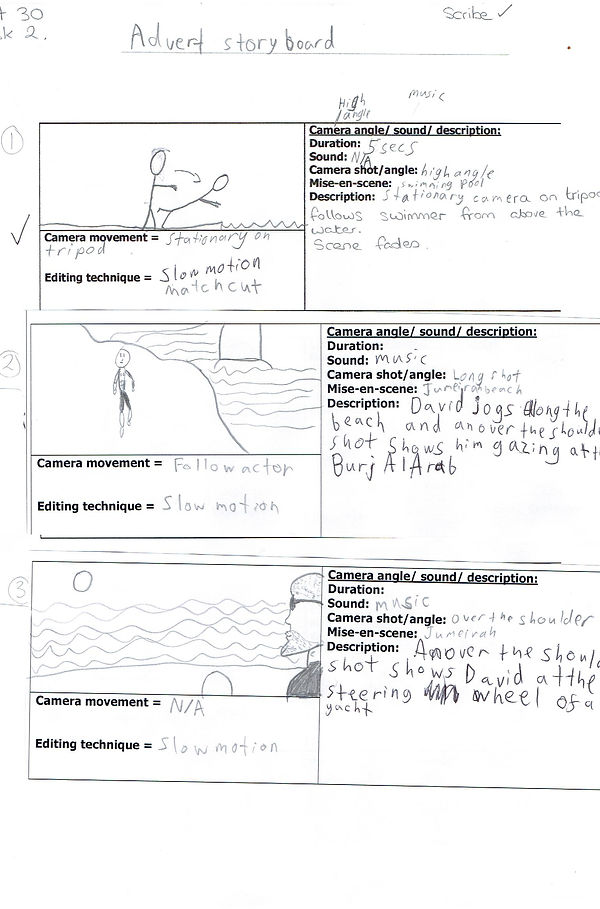
Final Storyboard

